Saturday, April 2, 2016

ruptured tympanic membrane

**All cases are fictitious. No real patient encounters. Any resemblance to real persons, living or dead, is purely coincidental.**
 
Case*: hmm, I don't see the Tympanic membrane. Did I not push my otoscope far in enough?

Solution:

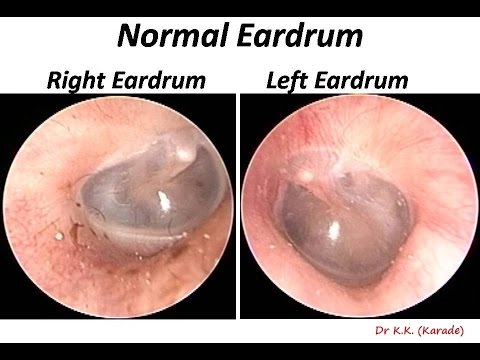
NORMAL TYMPANIC MEMBRANE:
Know what a normal tympanic membrane look like:
- pinkish gray (Wonder me! usually sees normal tympanic membrane more gray thank pinkish)
- small blood vessels along the malleus is normal too


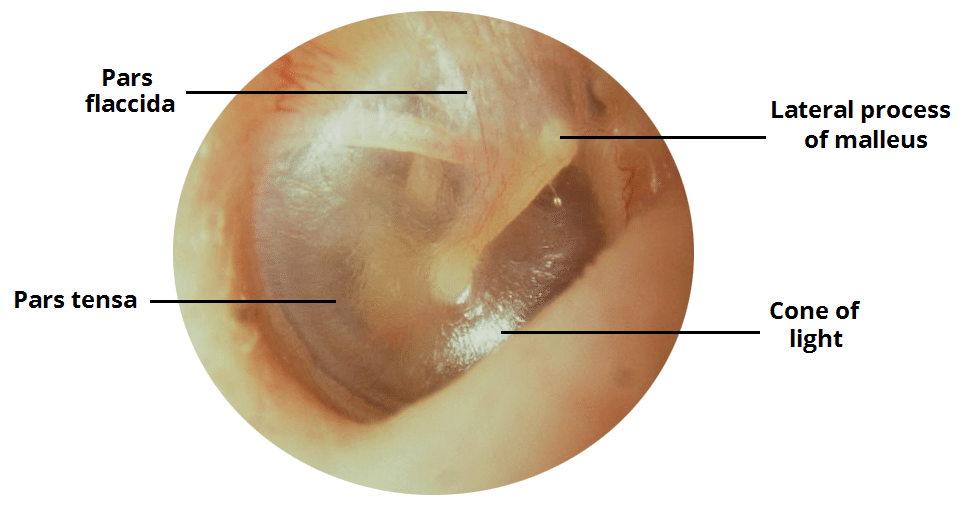
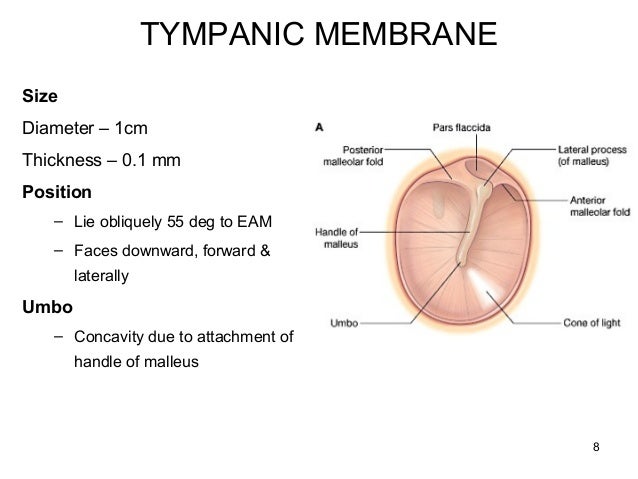
Note: malleus, pars flaccida, pars tensa, & cone of light

 
Malleus = Hammer


Ruptured tympanic membrane:

Helpful resource: http://www.ghorayeb.com/Malleus.html

Friday, April 1, 2016

diet mnemonics


CARBOHYDRATES (My Favorite Game is Volleyball)
Milk, Fruits, Grains, Veggies

CHOLESTEROL (A Sedentary Lifestyle Ends)
animal products, shellfish, liver and organ meat, egg yolks

SATURATED FATS (LasVegas Bars BeatsHollywood)
luncheon meats, beef, butter, hard yellow cheeses

POLYUNSATURATED FATS - plant oils (corn, safflower, sunflower)

PROTEINS (Proteins BuilD Fearless Men)
poultry, bread and cereals, dairy products, fish, meats (w/c has complete proteins/contains all essential amino acids)

FOLIC ACID (FOOL) fish, organ meats, oranges, leafy green veggies

NIACIN, THIAMINE (B1), RIBOFLAVIN (B2) - (Gain Money & Lives Forever)
grains, meats (pork), legumes, fish

PYRIDOXINE (B6) - (YMCP) * remember, isoniazid(INH) increase B6 intake; levodopa decrease B6 intake
yeast, meat (fish), corn, poultry

COBALAMIN (B12) - (ML) 
meat, liver + citrus fruits, dried beans, brewer's yeast

VITAMIN C - (CCTB) citrus fruits (strawberries, oranges, kiwi), cabbage, tomato, broccoli

VITAMIN A - (Eye Must Feel Very Lively)
egg yolk, milk (whole), fruits, veggies (lively - green, orange, yellow), liver

VITAMIN D- (Cute MilkFish Oil)
cereals, milk (fortified), fish, oils

VITAMIN E - antioxidants (ANTOV)
apple, avocado, apricot
nuts
tomato, potato
oils, vegetable
veggies, green and leafy

VITAMIN K (greens) green leafy veggies, cauliflower, broccoli, cabbage, lettuce, spinach, brussels

POTASSIUM (K+) *Remember Vitamin K-clotting factor; K/Potassium-electrolyte!!
think of rainbow colorsRed - strawberry, tomato (but not apple!!)
Orange - oranges, cantaloupe, carrots, apricot
Yellow - banana, potato
Green - avocado, kiwi
Blue from blue sea - fish
I/V Indigo/Violet - raisins
+ salt substitutes

SODIUM (Na) Think of: Fast foods/processed, saltwater fish, canned foods

CALCIUM (Ca) Think of: Dairy and Creamy (cheese, collar greens, milk, rhubarb, tofu, yogurt, etc

MAGNESIUM (Mg) - (MAGNET)
milk, meat
avocado, potato
greens (spinach, broccoli)
nuts, peas
etc. (raisins, yogurt)
tuna, canned & white

PHOSPHOROUS (PO4) - (FONG)
fish
organ meats - pork, beef, chicken
nuts
grains (whole)

IRON (Fe) think of: Iron is found in the blood, you inject meds w/ a syringe, and a syringe has a BEVELed needle
Breads & cereals
Veggies (dark green)
Egg yolk
Lliver meat
*Orange juice increases Fe absorption via PO

TYRAMINE-RICH FOODS - (TYRACS) *CI to MAOi's
Tuna fish
Yeast, yogurt
ROH - chemical symbols for alcohol or if you like Rum
Avocado
Cheese, swiss; caffeine
Soy sauce, sausages, sour cream

Citation:
http://allnurses.com/nclex-discussion-forum/some-of-my-686000.html

GTPAL

GTPAL 
G = gravida - pregnancy
P = Parity (pregnancy delivered @ >20weeks)meaning labors (Para is the number of times the uterus is emptied) broken down into the following:
          T = term deliveries (#) (the number of term pregnancies – twins count as 1 pregnancy! @ > 37 weeks)  
          P = preterm deliveries (@ <37weeks)
          A = abortions or miscarriages (spontaneous + therapeutic/elective)
          L = live births

Ex: G6, P3023 means 6 pregnancies, 3 term deliveries, 0 preterm deliveries, 2 abortions/miscarriages (including early term losses), 3 living children


Ex: "a woman who has 2 living children born as preterm twins in her first pregnancy would be designated as: TPAL 0-1-0-2 - 0 term births, 1 delivery prior to 37 weeks gestation (preterm), 0 pregnancies ending in spontaneous or induced abortions, and 2 living children" (3)

New ACOG guidelines for term pregnancies (1):
 The following represent the four new definitions of ‘term’ deliveries:
  • Early Term:  Between 37 weeks 0 days and 38 weeks 6 days
  • Full Term:    Between 39 weeks 0 days and 40 weeks 6 days
  • Late Term:   Between 41 weeks 0 days and 41 weeks 6 days
  • Postterm:     Between 42 weeks 0 days and beyond

Confusing terms (2):

Gravida
A woman who currently is pregnant or has been in the past, irrespective of the pregnancy outcome. 
Gravidity: The number of pregnancies, current and past, regardless of the pregnancy outcome.

ISSUES 

• What counts as evidence of pregnancy? 
Do chemical pregnancies count? 
Do physicians have to have evidence of pregnancy?

RATIONALE 

• If a woman says she was pregnant and there was any evidence, should count. 
• Includes chemical pregnancies


Parity 

The number of pregnancies delivered at 20 weeks, 0 days or beyond, regardless of the number of fetuses, alive or dead.

ISSUES

• Fetal death certificate versus certificate of live birth
• Address confusion over multiple gestation.
• Question of viability at 20 weeks
• Include abortions after 20 weeks

RATIONALE 

• Would, by definition, include abortions 
• 20 weeks was decided by fetal death certificate; do not want to debate viability


~Wonder Me!

Citations:

(1) http://www.acog.org/About-ACOG/News-Room/News-Releases/2013/Ob-Gyns-Redefine-Meaning-of-Term-Pregnancy


(2) http://www.acog.org/About_ACOG/ACOG_Departments/Patient_Safety_and_Quality_Improvement/~/media/Departments/Patient%20Safety%20and%20Quality%20Improvement/201213IssuesandRationale-HistoricalDiagnoses.pdf
https://www.acog.org/-/media/Departments/Patient-Safety-and-Quality-Improvement/2014reVITALizeObstetricDataDefinitionsV10.pdf

Pharm basics

I - PK (Pharmaco-Kinetics):
1. ADME: Absorption, Distribution, Metabolism, Excretion
2. Absorption mechanism: pinocytosis, passive diffusion, active transport, facilitated diffusion
3. Terms:
     Bioavailability = %[drug]systemic circulation
     Bioequivalence = same AUC (Cmax, Tmax)
     First-pass effect = oral then after liver
     Volume of distribution = dose/[plasma concentration]
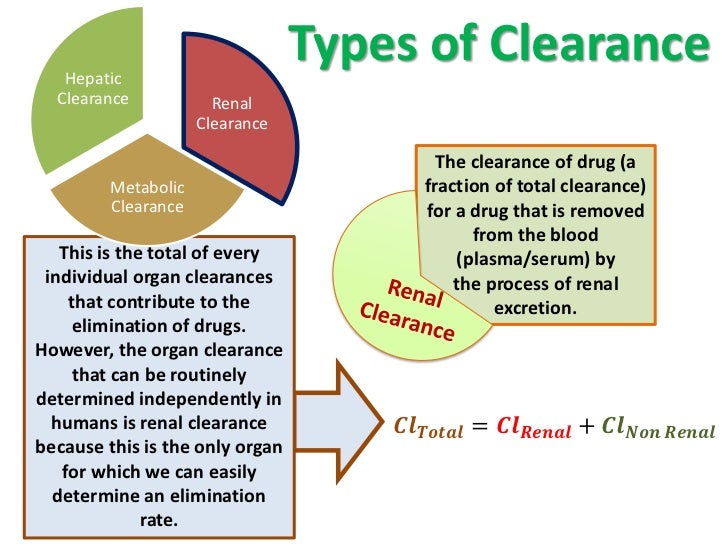
     Clearance = t(totally eliminated)
     Area under the Curve (AUC) = Cmax, total T(drug exposure)
     Cmax = max [drug]blood (i.e., max drug conc. in blood)
     Tmax = time 'til Cmax (i.e. time it takes for Cmax to occur)
     Half-life (t1/2) = time until 50% of drug is eliminated from body
            Steady state: 3-5 half-lives
            Elimination time: 4-5 half-lives

II - PD (Pharmaco-Dynamics):
1. Receptor types:
      a. Gated-ion channels: agonist => opens channels. Ex: ACh (Nicotinic), GABA (anti-stress, anti-anxiety), 5-HT (serotonin - antidepressant)
      b. G-protein coupled: α, β adrenergic
      c. Transmembraneous: insulin, peptide
      d. Intracellular: sex hormones, glucocorticoids

2. Drug - receptor interactions:
      a. affinity: strength of binding to receptors
      b. potency: high potency = lower dose for effects
      c. efficacy: high efficacy = 

3. Drug dose:
      a. ED50: effective dose in 1/2 of pts
      b. TD50: toxic dose in 1/2 pts
      c. LD50: lethal dose in 1/2 pts
      d. TI = TD50/ED50: therapeutic index

4. Agonist:
      a. Full: full effects
      b. Partial: less than full effects
      c. Full agonist + partial agonist = partial acts as INHIBITOR

5. Antagonist:
      a. Pharmacologic: binds to block receptors. Ex: propanolol as beta-blockers
      b. Competitive: replace-able if higher conc. of agonist. Ex: naloxone for opioid receptors
      c. Irreversible: non-replace-able even if higher conc. of agonist. Ex: Phenoxybenzamine as adreno-receptors antagonists.
      d. Physiologic: binds to opposite receptors to produce opposite effects. Ex: epinephrine for antihistamines effects

III - Adverse Drug Reactions: 
1. Drug-drug
2. Dose-related
3. Disease-related
4. Side effect
5. Intolerance (sensitivity)
6. Toxicity
7. Drug allergies

IV - Scheduled drugs:
1. Schedule I: nobody can prescribe, highest abuse Ex: heroin, Marijuana, LSD, Peyote, Ecstasy, Quaalude
2. Schedule II: hand-delivered paper signature prescriptions Ex: Vicodin, cocaine
3. Schedule III: fax prescription Ex: codeine/acetaminophen, anabolic steroids (oxa-drolone), didrex (benzphatamine), oral marinol.
4. Schedule IV: fax prescription Ex: tramadol, sleeping pills (bensolam, ambien), BZD (valium), soma, etc.
5. Schedule V: fax prescription Ex: Lomotil, Phenergan with Codeine, Robitussin with codeine, AED (vimpat, Lyrica, ezogabine)
6. CURES: II, III, IV drug registry in California

V - Prescription Writing:
1. sig., #refills, DAW?
2. Do NOT use list

VI - FDA Drug approval process:
1. Discovery
2. Animal-testing
3. Clinical trials:
      a. Phase 1: 20-100 healthy persons (PK)
      b. Phase 2: 100-200 target disease pts (efficacy, not by chance)
      c. Phase 3: 1000's target disease pts (safety for lots, not just efficacy)
      d. Phase 4 (optional): 100,000 target disease pts (maybe some bad side effects in phase 3, not known long enuf in phase 3, most likely the public will be unlikely to use it ...)
4. Post-marketing surveillance:
      a. REMS: FDA programs to ensure drug use is approrpiate (Mifeprex, Acne drug)
      b. MedWatch, 'Dear Heath Care Professionals' letters: Auvi-Q, certain albuterol inhalers

VII - Drug names:
1. Chemical: IUPAC
2. Generic: 1 for all various brand-name
3. Trade: brand names

VIII - Drug development history:
1. Pure food & drug act: bans adulteration/mislabeling
2. Food, Drug, Cosmetic act: requires tests safety & purity
3. Kefauver-Harris: requires efficacy
4. Abuse prevention: requires scheduled
5. Poison prevention: requires child-resistant
6. Orphan: incentives for rare-disease drugs
7. Prescription marketing: bans drug samples sales
8. Dietary supplement: non-FDA regulated supplements
9. FDA ammendments: FDA regulates drug commercials
10. FDA innovation: FDA accelerates break-thru & fast-track drugs


Resources:
MCQ:
http://accesspharmacy.mhmedical.com/book.aspx?bookid=1576
 
http://global.oup.com/uk/orc/pharmacy/ifp_therapeutics/student/mcqs/ch01/

http://media.pharmacologycorner.com/wp-content/uploads/2009/01/usmle-pharmacology-quiz-multiple-choice.pdf

https://archive.org/stream/1GeneralPharmacologyMCQS/1%20General%20Pharmacology%20MCQS_djvu.txt

https://books.google.com/books?id=QlTUZH39lTYC&pg=PA13&lpg=PA13&dq=bioavailability+mcq&source=bl&ots=d9ocUgGr7A&sig=V5RMoGouHB0Yevpv2ztcsUkOC0s&hl=en&sa=X&ved=0ahUKEwi41O7MxvHLAhWru4MKHRHAATQQ6AEIMjAD#v=onepage&q=bioavailability%20mcq&f=false 


https://books.google.com/books?id=7PXn6BVhtT0C&pg=PA9&dq=%22competitive+antagonist%22+naloxone&hl=en&sa=X&ved=0ahUKEwjJqOTP2_HLAhUKlYMKHTFACO0Q6AEIJTAA#v=onepage&q=%22competitive%20antagonist%22%20naloxone&f=false


http://glutxi.umassmed.edu/documents/PharmacoDynamics.pdf
~Wonder Me


Clearance


PK vs PD


Na 135-145mEq/L

The normal range for blood sodium levels is 135 to 145 milliequivalents per liter (mEq/L).

Why it works?
In lab, they put in something that binds with sodium to detect sodium. Why? 9g of NaCl is not 4.5g of Na and 4.5g of Cl. Why not? Remember the molecular weight of Na is 23g and Cl 35.5g. Therefore, to really know how much Na there is, it's hard to get it straight from blood. Why hard? blood contains many things like albumin, lipid, etc., Therefore, need to have a reagent that specifically binds to Na to really measure Na in blood. Therefore lab value for Na in blood is reported as mEq because 1 reagent:1Na molecule. 

Note that 0.9%NaCl is 9g of NaCl in 1L of the entire solution. Also note that mEq in Normal Saline "contains 154 mEq/L sodium and 154 mEq/L chloride." (per http://www.rxlist.com/normal-saline-drug.htm). So that means NS is slightly more salty than Na level in blood. Then, why would you give NS? well, if you're not too dehydrated, then NS is fine but if you have kidney failure with dehydration, NS is not sooooo good for u because it's quite salty. 


 Wait, but you thought NS is isotonic solution? It is! It is isotonic because it's equivalent to the entire blood (remember blood has many other solutes other than just Na). So.... => Dextrose 5% 1/2NS is really the isotonic with less sodium levels than blood => that's why it's so popular.


~Wonder Me!